

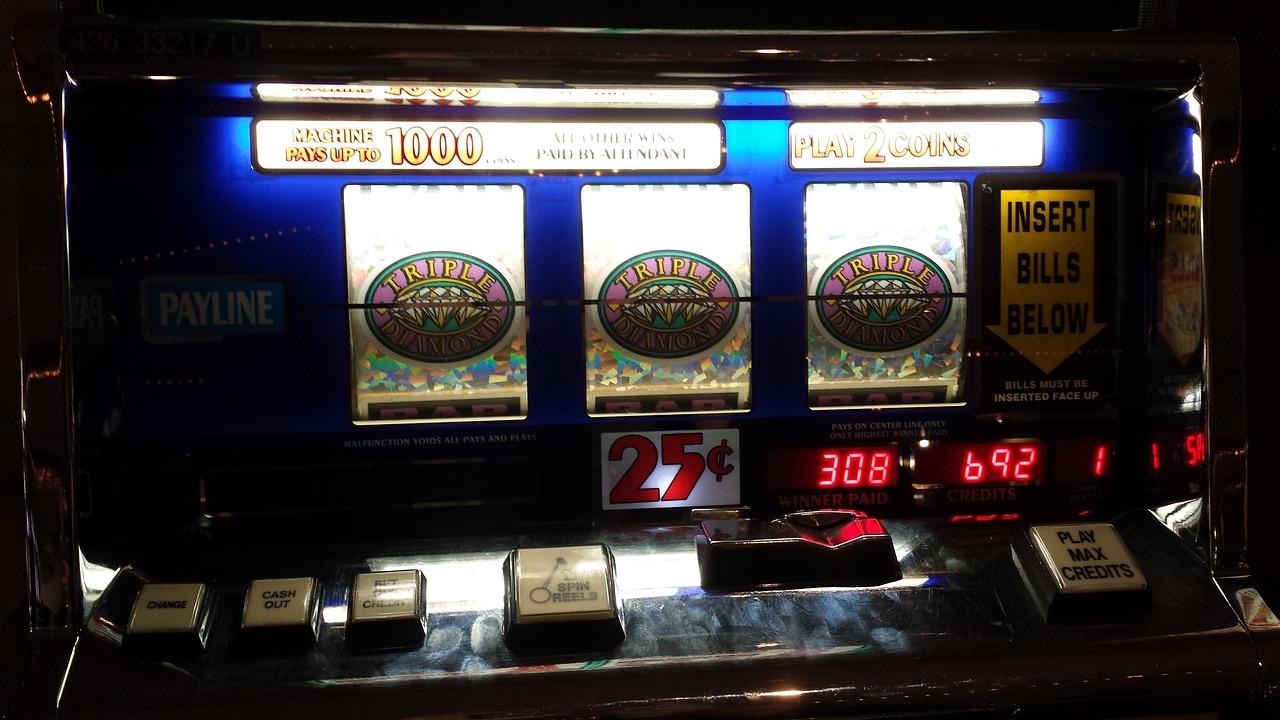
Walk through any casino floor in Macau, Las Vegas, or even a quiet corner of Malta's iGaming hub, and you'll notice the same thing: nobody is gambling against the casino anymore. They're gambling against math. That single shift in perspective is what separates a casual player who loses their shirt from someone who actually walks away with a story worth telling. Whether you're spinning slots at 3 a.m. or grinding micro-stakes poker on a Tuesday afternoon, understanding how the machinery really works changes everything.
Every game in a casino carries a mathematical tilt in the house's favor. Poker is the lone exception because you're playing against other humans, not the establishment. For everything else, that tilt has a name: the house edge. Its mirror image, from the player's side, is Return to Player, or RTP.
A slot machine with a 96% RTP pays back, on average, $96 for every $100 wagered over millions of spins. Not per session. Not per evening. Over an infinite timeline that no individual player will ever reach. This distinction matters because it explains why you can absolutely win big in a single night on a 96% machine — or lose everything on a 99% blackjack table.
That list is your map. If you're going to gamble, at least gamble in the favorable end of the zip code. A good place to continue is winvn.
Slots generate somewhere between 60% and 80% of gross gaming revenue in most regulated markets. They are the industry's bread and butter, yet they're the game players understand least. Modern video slots are run by random number generators (RNGs) that churn through thousands of outcomes per second, independent of what happened on the last spin. The machine is never "due." It has no memory and no mood.
What's worth paying attention to instead:
Ignore the elaborate bonus animations. They're theater. The math underneath is what pays you.
Poker remains the only legitimate competitive format in the casino world. You're not fighting the house; you're fighting the other players, and the house skims a small fee — the rake — from each pot. That single structural fact means poker rewards improvement in a way no slot ever will.
If you're new to poker and serious about it, here's the honest hierarchy of what matters:
The fish at the table are not the naive players. They're the ones who know all four of those points and ignore three of them consistently.
Operator bonuses look generous until you read the terms. A classic "100% up to $500" welcome offer often carries a 35x wagering requirement on both the deposit and bonus combined. That means to clear a $500 bonus, you might need to wager $17,500 or more. If the contributing game is a 4% house-edge slot, expect to lose around $700 in the process of "unlocking" $500.
Before claiming anything, scan for these:
A useful rule: if it takes you more than 30 seconds to parse the bonus terms, claim a smaller bonus or none at all. The house never writes a promotion that loses them money on average.
Regulated iGaming is expanding into markets that were unthinkable a decade ago — most US states now have some legal online option, Brazil launched its regulated framework in 2025, and several Asian jurisdictions are drafting licensing bills. That's good news for players because regulated operators publish RTPs, submit to audits, and honor dispute processes. Grey-market operators rarely do any of the three.
The downside: consolidation. The 2020s have seen mega-mergers shrink dozens of independent operators into a handful of corporate groups. Smaller casinos that loyally served specific player bases get folded into loyalty programs that look suspiciously identical to everyone else's. Expect loyalty schemes to get stingier before they get better.
Meanwhile, live dealer games continue to be the fastest-growing vertical inside online casinos, because they scratch the itch that RNG games cannot — human interaction. Evolution Gaming's live blackjack lobbies alone handle hundreds of thousands of simultaneous rounds daily.
The line between recreation and a problem is not the game you play — it's the framework you bring to it. Set a loss limit before you sit down. Set a time limit. Separate your gambling budget from your rent budget. There is no shame in treating iGaming as an entertainment line item, the same way you'd budget for a concert or a weekend trip.
What separates a smart player from a sucker isn't luck or insider knowledge. It's arithmetic, patience, and the humility to acknowledge that the house edge always collects eventually. Your job is to play in the narrow window where the edge is smallest, the bonuses are honest, and your discipline is strongest. Do that, and the casino's house edge stops being a threat and starts being a cost of admission. That's the realistic game — and it's the only one worth sitting down to play.

Copperedit We spend our time finding what works so you don't have to, and sharing exactly what made the difference.

Copperedit We spend our time finding what works so you don't have to, and sharing exactly what made the difference.

Compare thickness, finish and heat resistance before choosing a copper splashback. This guide covers practical installation points for busy home kitchens.

Comments
ALina Kelian
19th May 2018 ReplyCopperedit An honest, everyday look at the things that make life a little better — with advice you can actually use. ullamco laboris nisi ut aliquip ex ea commodo consequat.
Rlex Kelian
19th May 2018 ReplyCopperedit No rushing, no fuss — just thoughtful notes and practical help, written by people who care. ullamco laboris nisi ut aliquip commodo.
Roboto Alex
21th May 2018 ReplyCopperedit Real stories, useful guides and the occasional recommendation, all in one calm corner of the web. ullamco laboris nisi ut aliquip ex ea commodo consequat.