

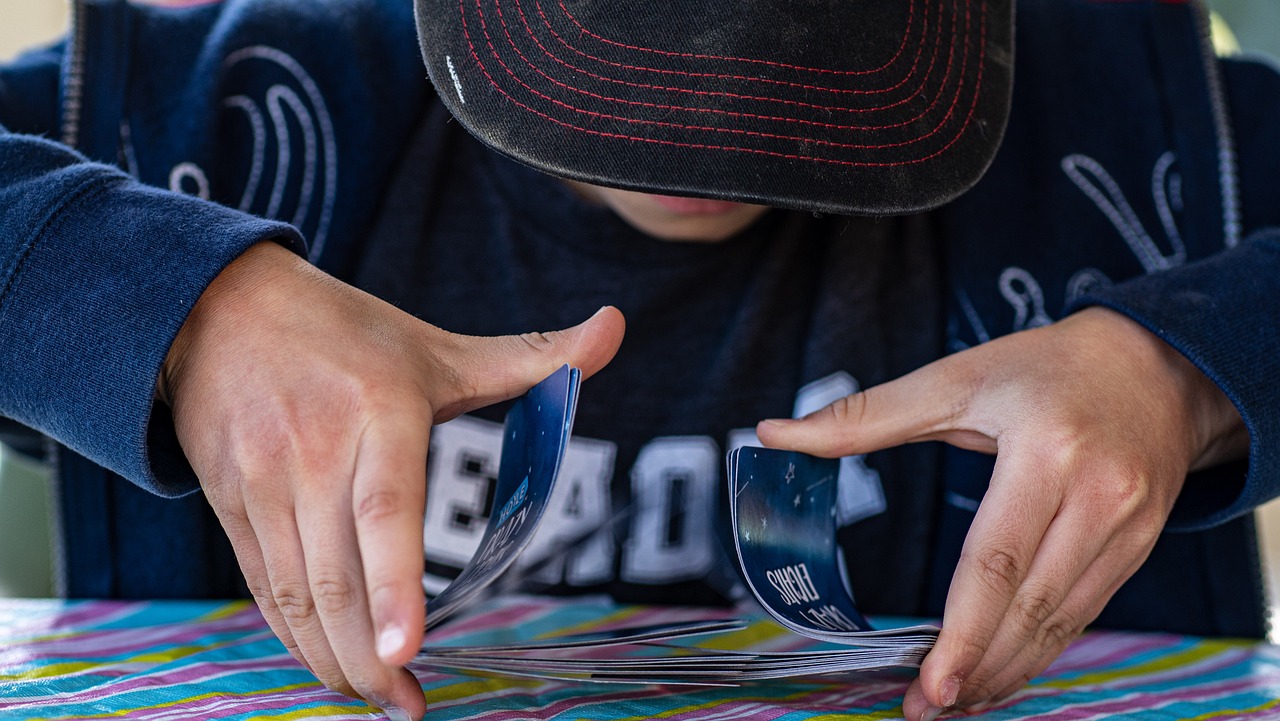
Ask ten gamblers why they keep coming back and you'll get ten different answers. The rush of a last-card seven. The quiet math of a poker table where every twitch tells a story. The hypnotic spin of a slot that just paid out 200x. iGaming—casinos, sportsbooks, poker rooms, and slots—is a $100 billion-plus industry for a reason, and it isn't just luck. It's entertainment engineered with mathematical precision, and once you understand the mechanics behind it, the whole experience changes.
Here's the honest truth most industry blogs won't tell you: the house has an edge. It always will. But that doesn't mean you can't enjoy the ride, stretch your bankroll, and occasionally walk away ahead. The difference between a frustrated loser and a player who genuinely enjoys the hobby comes down to knowledge, discipline, and picking the right games for your style. สล็อต offers a practical breakdown of the topic.
Every casino game carries a built-in advantage for the operator, but the size of that edge varies wildly—and it's the single biggest factor in how long your money lasts. This is called house edge, and if you only learn one concept from this article, make it this one.
Those percentages aren't trivia. A 2.7% edge on roulette means that for every $100 you wager, you lose about $2.70 on average. A 6% slot means $6 gone per $100. Same bankroll, very different lifespans. If you're playing for a two-hour session, that gap compounds fast.
New players obsess over RTP—return to player—but the number that actually shapes your session is volatility. Two slots can both have a 96% RTP and feel completely different to play.
Low-volatility slots pay frequently but small. High-volatility slots can drain your balance for 200 spins and then drop a 1,000x win out of nowhere. Neither is better; they serve different bankrolls and moods. If you have $50 and want an hour of entertainment, a low-volatility game keeps you spinning. If you have $200 and are chasing a big hit, high-volatility is your lane.
Also worth knowing: progressive jackpots tie up part of every bet in the prize pool. A slot advertising 94% RTP might have 5% of that going to a jackpot you'll almost certainly never win. Fun to dream about, but don't treat it as value.
Here's the thing that separates poker from everything else on this list: over enough hands, skill dominates luck. A strong player beats a weak player consistently. A strong slot player just loses slightly slower.
Texas Hold'em cash games are where serious players live. Tournaments (MTTs and sit-and-gos) offer dream outcomes—turning $100 into $50,000—but the variance is brutal, and you need hundreds of tournaments before your true win rate shows. Cash games let you cash out any time and only risk what's on the table.
The biggest beginner mistakes I see:
If you're new to poker, spend three months on micro-stakes ($0.01/$0.02) before moving up. The lessons cost pennies there and hundreds at $1/$2.
Sports betting has exploded in the US and beyond, and the smartest bettors share one trait: they don't bet on their favorite team just because they love them. They bet where the odds misprice reality.
A -110 line on both sides of a spread is standard juice. You need to win 52.4% of the time just to break even. That's the bar. Profitable bettors hunt for + money lines and soft lines, and they shop multiple sportsbooks because prices can differ by 5-10% on the same event.
Also, don't ignore closing line value—if the line moves in your favor after you bet, you probably made a good decision regardless of the result. Single-game parlays are lottery tickets; straight bets and totals are where the grinders live.
You can know every strategy in the book and still bust if you don't manage money properly. The rules are simple and boring:
iGaming isn't rigged against you in the way conspiracy forums claim—it's simply designed with an edge baked in, and operators are upfront about it if you read the fine print. What you can control is which games you play, how much you bet, and how disciplined you stay. Choose low-edge games when you want longevity, high-volatility slots when you want adrenaline, poker when you want skill to matter, and sports betting when you have a genuine edge over the market. Treat the money as the price of entertainment, not an investment, and you'll enjoy this hobby far longer than the guy chasing his losses at 3 a.m.

Copperedit We spend our time finding what works so you don't have to, and sharing exactly what made the difference.

Copperedit We spend our time finding what works so you don't have to, and sharing exactly what made the difference.

Compare thickness, finish and heat resistance before choosing a copper splashback. This guide covers practical installation points for busy home kitchens.

Comments
ALina Kelian
19th May 2018 ReplyCopperedit An honest, everyday look at the things that make life a little better — with advice you can actually use. ullamco laboris nisi ut aliquip ex ea commodo consequat.
Rlex Kelian
19th May 2018 ReplyCopperedit No rushing, no fuss — just thoughtful notes and practical help, written by people who care. ullamco laboris nisi ut aliquip commodo.
Roboto Alex
21th May 2018 ReplyCopperedit Real stories, useful guides and the occasional recommendation, all in one calm corner of the web. ullamco laboris nisi ut aliquip ex ea commodo consequat.